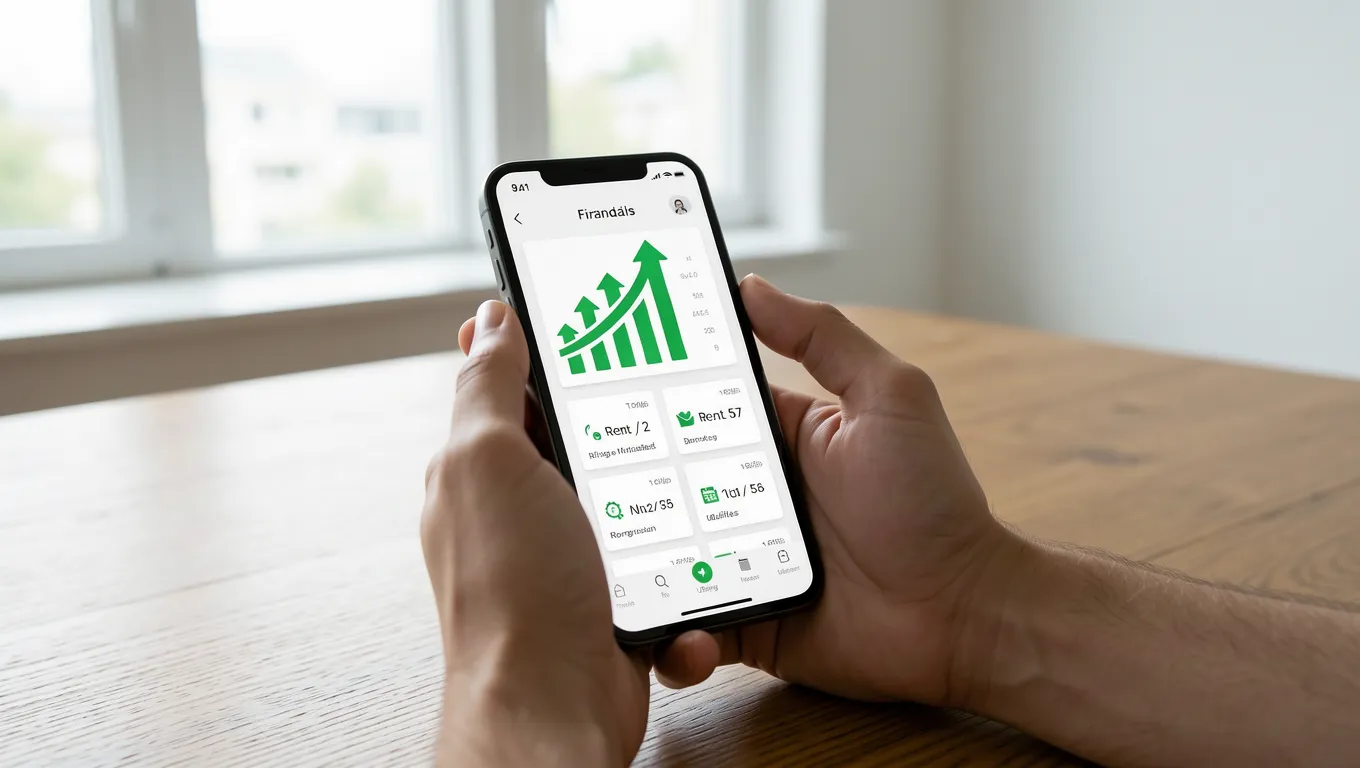
Discover how alternative lending models may help you access funds when your score is low. We connect you with lenders that look beyond the numbers to find your potential.
No hard credit pull · Takes 2 minutes
Won't impact your credit score
Complete a brief application online. This process typically involves a <b>soft credit pull</b>, which does not impact your score.
Lenders evaluate alternative data such as your <em>income stability</em> and banking history to determine eligibility.
If approved, funds are often deposited directly into your bank account within a few business days.
In 2026, the landscape of consumer finance has shifted significantly toward more inclusive lending practices. When people search for personal loans with no credit check, they are often looking for lenders that prioritize current financial behavior over a static FICO score. While many traditional banks rely heavily on historical credit data from bureaus like Equifax or TransUnion, modern fintech lenders may utilize alternative data to assess your ability to repay a loan. This can include your monthly rent payments, utility history, and even the consistency of your cash flow as seen through linked bank accounts.
It is important to clarify that 'no credit check' often refers to the initial inquiry phase. Most reputable lenders will perform a soft credit pull to provide you with an estimated rate without damaging your score. However, if you choose to move forward with a formal application, they may conduct a hard inquiry to finalize terms. According to data from major bureaus like Experian, using alternative data can help expand access for millions of consumers who have thin files or imperfect credit histories but demonstrate strong debt-to-income ratios through regular employment.
When exploring these options, you should always look closely at the fixed-rate installment loan structures. A structured repayment plan is generally safer and more predictable than other forms of high-interest short-term debt. By focusing on your actual income rather than just a three-digit score, lenders can offer personalized terms that reflect your current financial reality in 2026.
If you do not have a robust credit history, lenders still need ways to mitigate risk. This is where cash-flow underwriting becomes essential. In 2026, many lenders use secure connections to view your bank statements, looking for patterns in your income and spending. They are essentially checking if you have enough 'buffer' at the end of each month to cover a new loan payment without defaulting.
Another critical component is your employment stability. Lenders want to see that you have a consistent source of revenue, whether through a traditional W-2 position or steady freelance income. The Consumer Financial Protection Bureau (CFPB) emphasizes the importance of lenders being transparent about how they use this data. It is vital to ensure that any lender you work with provides clear disclosures regarding what specific information they are pulling from your financial accounts.
Additionally, your credit utilization—the amount of revolving debt you carry relative to your limits—is still a factor, even if it isn't the primary driver. Even when a lender is not performing a traditional hard check, they may still look at your overall financial health to ensure that adding another monthly obligation won't lead to a cycle of debt. Understanding these nuances helps you present yourself as a reliable borrower during the application process.
| Option Type | Typical APR Range | Speed of Funding | Primary Requirement |
|---|---|---|---|
| Traditional Personal Loan | 6%–36% | 1-5 Days | High Credit Score |
| No Credit Check Installment | 18%–36%+ | 1-2 Days | Income Verification |
| Secured Personal Loan | 5%–24% | 2-7 Days | Collateral/Asset |
| Credit Builder Loan | Varies | Variable | Savings Account |
Understanding the total cost of your loan is perhaps the most important step in responsible borrowing. When you opt for a personal loan with no credit check, you may find that interest rates are higher than those offered to borrowers with excellent credit. This is because lenders charge a premium to offset the increased risk associated with non-traditional underwriting. In 2026, it is essential to look beyond just the monthly payment and focus on the Annual Percentage Rate (APR).
The APR includes not only the interest rate but also any origination fees or processing costs that are baked into the loan. For example, if you borrow $5,000 but the lender charges a 5% origination fee, you might only receive $4,750 in your bank account, even though you are paying interest on the full $5,000. This can significantly increase your effective borrowing cost. Always ask for a breakdown of all potential fees before signing any agreement.
Data from the Federal Reserve suggests that consumers who focus solely on monthly payment amounts often overlook the long-term impact of high APRs. A loan with a lower monthly payment might actually be more expensive if it has an extended term or higher interest rate. We always recommend that you borrow only what you can comfortably repay to avoid the trap of falling behind on payments, which could ultimately damage your credit score further.
While alternative loans provide much-needed liquidity, they are not without risks. One major pitfall is the confusion between installment loans and payday loans. Payday loans often feature extremely high interest rates and short repayment windows that can lead to a debt spiral. In contrast, an installment loan provides a set amount of money with a fixed repayment schedule, making it much easier to manage your budget effectively.
Another risk involves lenders who do not clearly disclose their terms. The FTC (Federal Trade Commission) frequently warns consumers about predatory lending practices where the 'fine print' contains hidden fees or aggressive collection tactics. Always ensure that any lender you consider is properly licensed in your state and provides a clear, written contract before you commit to any funds.
In 2026, being a savvy borrower means staying vigilant about predatory lending red flags. If a lender pressures you to act immediately or promises 'guaranteed approval' regardless of your financial situation, proceed with extreme caution. Legitimate lenders will always encourage you to review the terms and ensure the loan fits within your monthly budget.
Provide the most accurate documentation possible, such as recent pay stubs or bank statements, to prove your ability to repay.
Check your credit reports for any mistakes that might be unfairly lowering your score; fixing these can lead to lower rates.
Never settle for the first offer. Always compare the total cost of credit across multiple lenders to find the best deal.
Avoid applying for several loans at once, as this can signal financial distress to potential lenders.
We help you see the full cost of a loan before you commit.
Connect with various lenders that specialize in non-traditional credit profiles.
Your personal information is protected by industry-standard encryption.
Exploring your options through us does not impact your credit score.
Adjust the sliders to see an instant estimate. Actual rates depend on your credit profile.
* Estimate only. Actual rate and terms depend on lender approval.
Estimated Monthly Payment
$332.14
per month for 36 months
No impact on your credit score